Introduction to Everest Base Camp Trek Packages
The Everest Base Camp Trek is not merely an expedition; it’s a life-changing experience that draws thousands of adventurers to the majestic Himalayas each year. Spanning approximately 130 kilometers, the trek offers more than stunning views of the world’s highest peak; it immerses travelers in rich Sherpa culture, diverse landscapes, and unique challenges. Whether you’re a seasoned trekker or a novice adventurer, choosing the right package is essential to ensure your journey is both enjoyable and safe. When exploring options, Everest base camp trek packages provide comprehensive insights into what to expect along this iconic route.
What Are Everest Base Camp Trek Packages?
Everest Base Camp Trek packages are curated itineraries designed to guide trekkers through the stunning landscapes of the Khumbu region, culminating at the base of Mount Everest. These packages typically include accommodations, meals, porter services, and the guidance of experienced trekking professionals. They are tailored to cater to various fitness levels, durations, and preferences, allowing trekkers to choose a trek that best aligns with their needs.
Key Highlights of the Trek
- Stunning views of iconic peaks, including Mount Everest, Lhotse, and Ama Dablam
- Experiencing the vibrant Sherpa culture and their hospitality in local villages
- Exploring ancient Buddhist monasteries, such as Tengboche Monastery
- Acclimatization days to enhance safety and enjoyment at high altitudes
- The thrill of trekking across suspension bridges and through lush forests
Importance of Choosing the Right Package
Choosing the right Everest Base Camp Trek package is crucial for ensuring comfort, safety, and a rewarding experience. Different tour operators offer varying levels of service, accommodations, and itineraries. Factors such as group size, the experience of guides, meal options, and additional services like airport transfers should be carefully considered. A well-structured package not only enhances your trekking experience but also minimizes risks associated with altitude sickness and weather conditions.
Overview of the 14-Day Everest Base Camp Trek
This comprehensive 14-day trek is structured to maximize acclimatization while allowing trekkers to fully absorb the breathtaking scenery and local culture. The itinerary includes essential stops for rest and exploration, making it ideal for both seasoned trekkers and those looking for a more leisurely pace.
Detailed Itinerary for the Trek
- Day 1: Arrival in Kathmandu and transfer to hotel.
- Day 2: Fly to Lukla, trek to Phakding.
- Day 3: Trek from Phakding to Namche Bazaar.
- Day 4: Acclimatization day at Namche; hike to Hotel Everest View.
- Day 5: Trek to Tengboche.
- Day 6: Trek to Dingboche.
- Day 7: Acclimatization day; hike to Nangkartsang Peak.
- Day 8: Trek to Lobuche.
- Day 9: Trek to Everest Base Camp and return to Gorak Shep.
- Day 10: Hike to Kala Patthar; descend to Pheriche.
- Day 11: Trek back to Namche Bazaar.
- Day 12: Trek to Lukla.
- Day 13: Fly back to Kathmandu.
- Day 14: Departure from Kathmandu.
Acclimatization and Its Significance
Acclimatization is a vital part of the Everest Base Camp Trek, especially given the drastic changes in altitude. Missing out on acclimatization days can lead to serious altitude sickness, which can jeopardize your journey. Strategically placed rest days, particularly in Namche Bazaar and Dingboche, help your body adjust to the thinning air, reducing the risk of sickness and enhancing your overall trekking experience.
What to Expect Along the Route
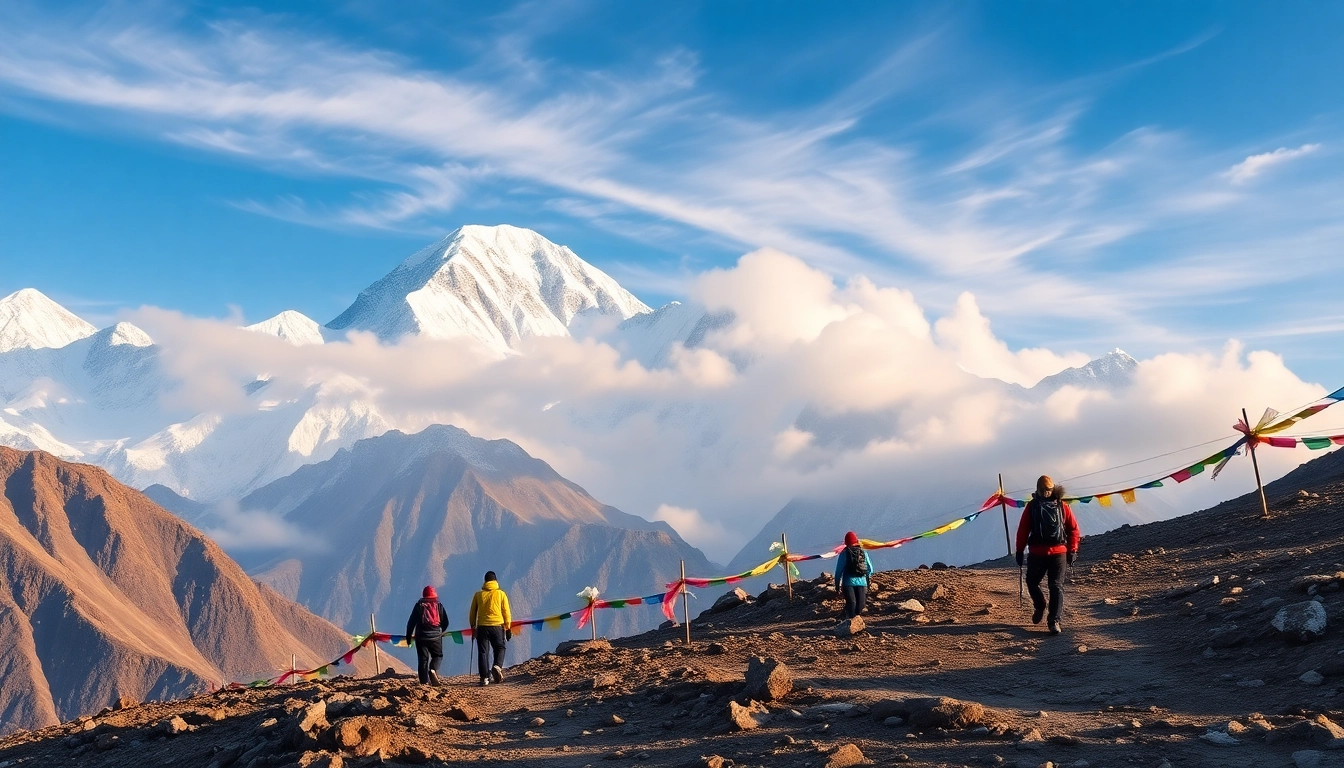
Trekking to Everest Base Camp means traversing diverse landscapes, from lush rhododendron forests to barren high-altitude terrains. You’ll encounter sparkling rivers, ancient monasteries, and vibrant Sherpa villages. Each day’s trek presents unique challenges and rewards, including spectacular panoramic views of the Himalayan range, wildlife sightings, and opportunities to learn about local customs and traditions from the Sherpa community.
Cost Considerations and Inclusions
Understanding the cost breakdown of your Everest Base Camp Trek package is essential for effective budgeting. Various factors influence the overall costs, including the inclusions offered by different tour operators.
Breakdown of Major Costs Involved
Typical costs for an Everest Base Camp Trek range from $1,000 to $3,000 per person, depending on the package specifics, group size, and additional services offered. Costs generally cover the following:
- Domestic flights to Lukla
- Accommodation in teahouses during the trek
- Meals (usually breakfast, lunch, and dinner)
- Entry permits for Sagarmatha National Park
- Experienced guides and porters
Inclusions in the Trek Packages
Most reputable Everest Base Camp Trek packages include:
- All necessary trekking permits
- Accommodations in Kathmandu and throughout the trekking route
- Detailed map of the trekking route and region
- First aid kit and emergency oxygen supplies
- 24/7 support from the trekking company during the journey
Exclusions: Hidden Costs to Be Aware Of
While most costs are covered in your package, some additional expenses may not be included:
- Tipping for guides and porters
- Hot showers and charging electronic devices in teahouses
- Personal expenses (snacks, beverages, souvenirs)
- Travel insurance (mandatory)
- Any costs associated with changes in itinerary
Preparing for Your Everest Base Camp Adventure
Preparation is key to a successful trek to Everest Base Camp. Understanding what to pack, how to train, and maintaining health and safety standards will make your journey much more enjoyable.
Essential Gear and Packing List
Proper gear is crucial for ensuring comfort and safety during the trek. Below is a suggested packing list:
- Hiking boots (waterproof with good ankle support)
- Warm clothing layers (thermal base layers, fleece jackets)
- Rain gear (waterproof jacket and pants)
- Sleeping bag rated for -15°C (5°F)
- Hydration system (water bottles or hydration packs)
Physical Fitness and Training Recommendations
Preparing physically is essential for the demands of the trek. Engaging in regular cardiovascular exercises such as running, biking, or hiking is advisable. Aim for at least 4-5 hours of walking or hiking per week, particularly on uneven terrain if possible. Incorporating strength training will also help prepare you for carrying your gear.
Health and Safety Precautions
Consulting with a healthcare provider before embarking on your trek is vital, especially if you have underlying health conditions. Ensure that your travel insurance covers high-altitude trekking and includes emergency evacuation. Staying hydrated, following acclimatization guidelines, and monitoring your health during the trek are essential for a safe journey.
Why Choose Ace the Himalaya for Your Trek?
As a reputable trekking company, Ace the Himalaya offers uniquely crafted packages combining safety, adventure, and culture. Here’s what sets us apart from other tour operators:
Unique Features of Our Packages
- Experienced, local guides who are well-versed in the region
- Commitment to sustainable trekking practices, supporting local communities
- Flexible itineraries that can be customized according to your preferences
Customer Testimonials and Success Stories
Our past trekkers have consistently praised our exceptional service, knowledge, and support throughout their adventure. Many return for additional treks, emphasizing their memorable experiences and the profound connections made with their guides and fellow trekkers.
Our Commitment to Sustainable Trekking Practices
We believe in preserving the natural beauty of the Himalayas and supporting local communities. Ace the Himalaya implements eco-friendly practices, including waste management initiatives and sustainable sourcing of materials, to minimize our environmental impact while enhancing the trekking experience.