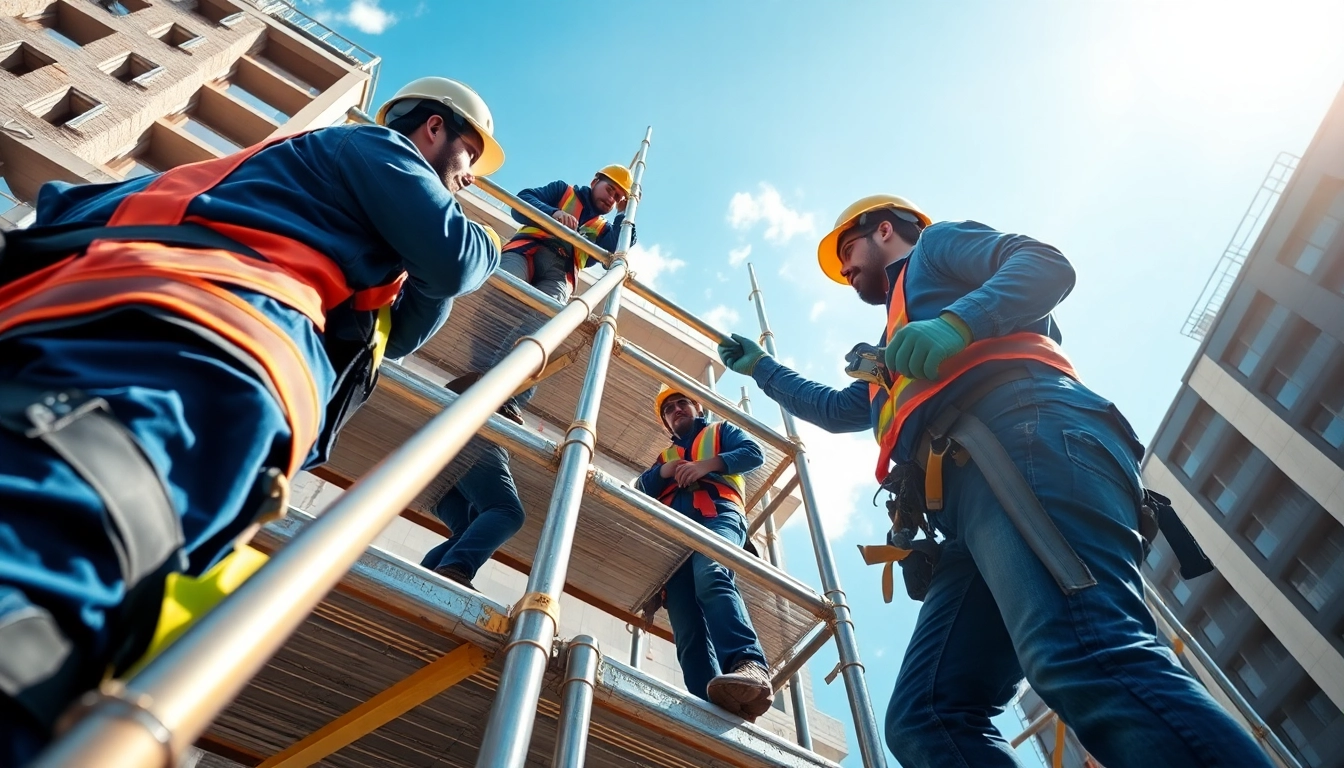
1. Introduction to Scaffolders in Manchester
Scaffolding is an essential aspect of construction and maintenance projects, playing a critical role in ensuring safety and accessibility during various building tasks. Particularly in Manchester, where the construction industry is thriving, the demand for reliable scaffolding services is on the rise. Engaging the right Scaffolders Manchester can determine the success of a project, enhancing both safety measures and operational efficiency.
1.1 What Scaffolders Do
Scaffolders are skilled tradespeople responsible for erecting and dismantling scaffolding structures. Their work involves preparing a safe work environment, creating platforms that allow workers to access lofty heights, and ensuring that these structures are secure and compliant with industry safety standards. Scaffolders assess project requirements, select suitable materials, and often collaborate with project managers to adapt to changing circumstances on-site.
1.2 Importance of Skilled Scaffolders
The expertise of skilled scaffolders cannot be overstated. Improperly erected scaffolding can lead to accidents, project delays, and financial losses. Skilled scaffolders not only contribute to safety but also enhance productivity on-site. Their experience in navigating local regulations, safety protocols, and construction practices enables them to deliver tailor-made solutions that meet the specific needs of each project.
1.3 Overview of Manchester's Construction Industry
Manchester's construction landscape is marked by a diverse range of projects, from residential developments to large-scale commercial initiatives. With significant investments pouring into the city, skilled labor, including scaffolders, is increasingly sought-after. The city is experiencing a revitalization, with numerous high-rise buildings and urban regeneration projects, making the role of scaffolders integral to the smooth execution of construction activities.
2. Choosing the Right Scaffolders in Manchester
When it comes to selecting scaffolders in Manchester, it’s essential to consider several critical factors to ensure you engage a reliable and competent service provider. The right choices can significantly affect safety, regulatory compliance, and project timelines.
2.1 Key Qualities to Look For
Identifying the right scaffolders involves looking for specific qualities such as:
- Experience: Look for scaffolders with a solid track record in the industry. Experienced professionals are better equipped to handle challenges that may arise during the project.
- Accreditations: Ensure that scaffolders possess the necessary qualifications and certifications, such as CISRS (Construction Industry Scaffolders Record Scheme) cards, validating their training and expertise.
- References: Requesting references or testimonials from past clients can provide insight into the scaffolders' work quality and reliability.
- Insurance and Compliance: Verify that scaffolders have comprehensive liability insurance in case of accidents and ensure adherence to local regulations.
2.2 Questions to Ask Potential Scaffolders
Before committing to a scaffolding provider, it's wise to ask pertinent questions to gauge their suitability for your project. These include:
- What is your experience with similar projects?
- Can you provide details of your safety protocols? How often are these protocols updated?
- What certifications and training do your teams have?
- How do you approach project timelines and budgets?
- Can you supply references from previous clients?
2.3 Understanding Pricing Structures
Pricing for scaffolding services can vary widely based on factors such as project complexity, type of scaffolding, and duration of use. When assessing quotes, consider the following:
- Transparent Quotes: Good scaffolding companies provide detailed quotes that outline costs, materials, labor, and any additional fees.
- Comparative Shopping: Obtain quotes from multiple providers to ensure competitive pricing while considering quality and service.
- Long-Term Value: Sometimes, the cheapest option may not provide the best long-term value if it compromises quality or safety.
3. Safety Standards and Regulations
Safety is paramount in construction, and scaffolders play a crucial role in maintaining high safety standards through compliance with regulations and best practices.
3.1 Compliance with Health and Safety Laws
Scaffolders in Manchester must adhere to various health and safety laws established by the Health and Safety Executive (HSE). Key requirements include:
- Risk assessments before scaffold erection to identify potential hazards.
- Use of appropriate safety gear and equipment by all workers on-site.
- Regular safety audits and inspections of scaffolding structures.
3.2 Training and Certification Requirements
Training and certification are fundamental for scaffolders. Scaffolders should undergo training that covers a range of topics, including:
- Safe scaffolding practices
- Use of Personal Protective Equipment (PPE)
- Inspections and maintenance of scaffolding systems
Certification programs, such as those provided by CISRS, equip scaffolders with the knowledge and skills necessary to work safely and effectively.
3.3 The Role of Scaffold Inspections
Regular scaffold inspections are essential to ensure safety and compliance throughout a project’s duration. Inspections typically include:
- Initial Inspections: Conducted after erection to confirm that scaffolding meets all regulations.
- Weekly Inspections: Continued evaluation every week or after severe weather conditions to identify any wear or damage.
- Post-Installation Checklists: Scaffolders should follow checklists to ensure all safety measures are in place before the scaffold is used.
4. Types of Scaffolding Solutions Offered
Different projects require varying scaffolding solutions. Understanding the types of scaffolding available can help in selecting the most appropriate option for your needs.
4.1 Traditional vs. Aluminum Scaffolding
Traditional scaffolding typically uses timber and steel, while aluminum scaffolding has gained popularity for its lightweight and durable properties. Here’s a comparative overview:
- Traditional Scaffolding: Generally stronger and suitable for heavy-duty projects but can be cumbersome and time-consuming to erect.
- Aluminum Scaffolding: Lightweight and easy to assemble, making it ideal for projects requiring quick access; however, it may not always support as much weight as traditional options.
4.2 Specialized Scaffold Types for Unique Projects
For specialized projects, different types of scaffolding may be required, including:
- Rolling Scaffolds: Mobile scaffolding for jobs that require movement across different areas.
- Suspended Scaffolding: Used for high-rise buildings where platforms are suspended from the roof, allowing work on upper floors.
- Shoring Scaffolds: Provide support for structures that need repair or renovation.
4.3 Custom Scaffolding Solutions in Manchester
In some cases, off-the-shelf scaffolding solutions may not fit the needs of a project. Customized scaffolding can be designed and engineered specifically to meet project requirements. This can involve:
- Tailored designs based on site specifics and project scope.
- Innovative solutions that blend aesthetics with functionality for high-profile projects.
- Collaboration with architects and design teams to ensure structural integrity and safety compliance.
5. Enhancing Construction Projects with Scaffolders
Quality scaffolding does not only ensure safety but can also significantly enhance project efficiency, timelines, and overall outcomes. Here’s how.
5.1 The Impact of Quality Scaffolding on Project Efficiency
High-quality scaffolding allows workers to access structures safely and conveniently, minimizing downtime and maximizing productivity. The benefits of well-designed scaffolding include:
- Increased work speed: Swift access can lead to faster completion of tasks.
- Improved safety: Reducing the chances of accidents which can cause delays.
- Bespoke Solutions: Custom scaffolding can streamline operations according to project specifics, ensuring optimal workflow.
5.2 Case Studies of Successful Projects
Real-world examples can illustrate the crucial role of scaffolders. For instance:
In the renovation of a historic building in Central Manchester, scaffolders provided a complex system that ensured minimal disruption to surrounding businesses while allowing impressive restoration work to proceed. Their strategic planning and execution reduced anticipated project timelines and kept the project within budgetary constraints.
5.3 Future Trends in Scaffolding Services
The scaffolding industry is evolving, adapting to new technologies and methodologies. Future trends include:
- Green Scaffolding Materials: Increasing emphasis on sustainable scaffolding solutions, utilizing environmentally friendly materials.
- Digital Innovations: The integration of digital tools for project management, design simulations, and real-time safety monitoring.
- Increased Automation: Potential incorporation of automated scaffolding systems that enhance efficiency and safety.
By grasping the intricacies of scaffolding solutions and the importance of skilled scaffolders in Manchester, project managers and stakeholders can significantly enhance the success and safety of construction endeavors.