Understanding Water Leak Detection Techniques
Water leak detection is a crucial aspect of maintaining the integrity and safety of your home. Leaks can cause severe damage, leading to structural issues, mold growth, and increased utility bills. As a homeowner, understanding how to effectively detect and address water leaks is vital in preventing extensive damage and costly repairs. In this article, we will explore water leak detection methods, common types of leaks, and the benefits of hiring professional leak detection services. For those considering options, water leak detection specialists can provide expert assistance.
What is Water Leak Detection?
Water leak detection involves identifying and locating leaks within plumbing systems, whether they are hidden or visible. It employs various techniques and technologies to ensure that leaks are found and fixed promptly. These leaks can occur in various places, including inside walls, beneath floors, and even underground pipes, making detection challenging without the right equipment.
Common Types of Water Leaks
- Hidden Leaks: Often located behind walls or under floors, these leaks may go unnoticed until significant damage occurs.
- Slab Leaks: Leaks occurring under the concrete foundation of a home, often leading to increased water bills and foundation issues.
- Pipe Leaks: Any visible leaks in supply pipes, drainage pipes, or sewer lines that require immediate attention.
- Roof Leaks: Water leaking through the roof can cause serious internal damage and mold if not addressed quickly.
Benefits of Professional Leak Detection Services
Engaging professional leak detection services comes with numerous benefits, including:
- Expertise: Trained professionals possess the skills and experience to identify leaks efficiently using advanced technologies.
- Non-Invasive Techniques: Many leak detection services employ non-destructive methods, minimizing damage to your property.
- Fast Response Times: Quick assessment and remediation can save homeowners from extensive damage and costly repairs.
- Comprehensive Reporting: Professionals provide detailed reports, photographs, and recommendations, offering peace of mind and clarity regarding the situation.
Advanced Technologies Used in Leak Detection
Technological advancements have significantly improved how leaks are detected in residential settings. By employing state-of-the-art equipment, companies can enhance their accuracy and efficiency in locating leaks. Here, we discuss some of the leading technologies used in the industry today.
Pressure Testing Methods Explained
Pressure testing involves monitoring pressure changes within isolated sections of plumbing. By doing so, technicians can determine if there are any abnormalities indicative of leaks. This method is especially useful for identifying leaks in hidden or hard-to-reach areas without dismantling walls or floors. It allows for a targeted approach to repairs, saving both time and money.
Role of Thermal Imaging in Accurate Assessments
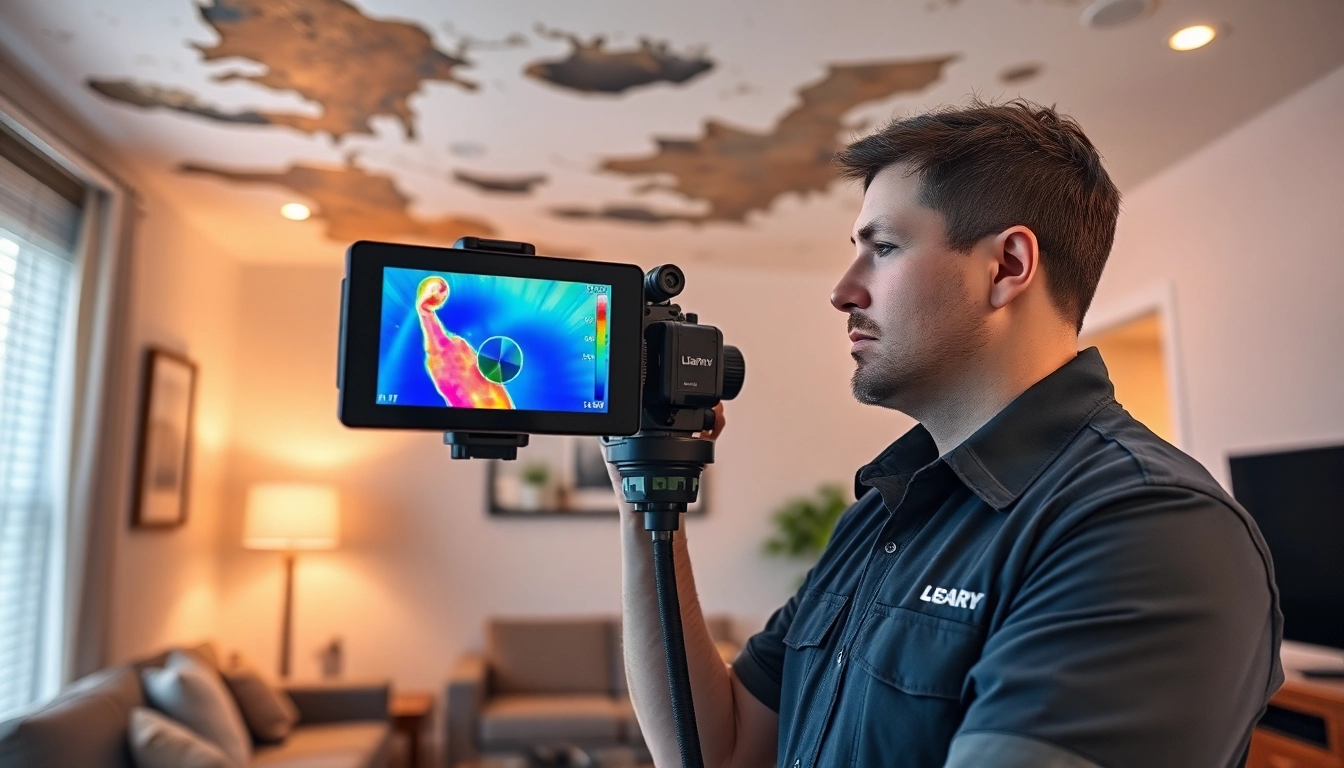
Thermal imaging cameras detect temperature variations caused by moisture. When water escapes from pipes, it can create cool spots in walls or ceilings, which can be visualized using thermal imaging technology. This method provides a non-invasive way to identify the location of leaks, particularly in areas that are otherwise inaccessible.
Acoustic Listening Devices: How They Work
Acoustic listening devices are sophisticated tools that use sound to detect leaks. They amplify the sounds of water escaping from pipes, whether in walls, floors, or underground. This method is effective for both water and gas leaks, allowing technicians to pinpoint the exact location of the issue swiftly. Using acoustic technology can save valuable time in diagnosing what may initially seem like a complicated problem.
Choosing the Right Leak Detection Service
Finding a reliable leak detection service is crucial to ensuring your plumbing remains in optimal condition. Given the potential implications of undetected leaks, it’s essential to choose wisely.
What to Look for in a Leak Detection Expert
When selecting a leak detection service, homeowners should consider several important factors:
- Certifications: Ensure the company employs certified professionals with specialized training in leak detection methods.
- Technology Used: Inquire about the technologies and methods the company utilizes to ensure they are at the forefront of the industry.
- Customer Reviews: Checking testimonials and reviews can provide insight into the reliability and effectiveness of the service.
Understanding “No Find, No Fee” Guarantees
The "no find, no fee" guarantee is an appealing option for homeowners worried about the costs associated with leak detection. This agreement means that if the technician fails to locate a leak, you won’t be charged. It's a safe approach, allowing you to seek help without the fear of incurring expenses without results.
Analyzing Customer Reviews and Testimonials
Customer feedback can be invaluable when selecting a leak detection service. Reviews often highlight the effectiveness and reliability of the service. A company with a strong track record of positive reviews demonstrates a commitment to providing quality service and customer satisfaction.
Preventive Measures for Homeowners
Preventing leaks before they start is the best approach to maintaining your plumbing system. By being proactive, homeowners can save significant money on repairs and water bills.
Identifying Early Signs of Water Leaks
Being vigilant about the early signs of leaks can help in addressing potential issues promptly. Common indications include:
- Increased water bills without explanation.
- Visible water stains on walls or ceilings.
- Mold or mildew growth in areas prone to moisture.
- Unusual dampness on floors or near plumbing fixtures.
Routine Maintenance Tips to Prevent Leaks
Performing regular maintenance can help prevent leaks from occurring. Some effective measures include:
- Regularly inspecting all visible pipes for any signs of wear or corrosion.
- Scheduling periodic professional plumbing inspections.
- Flushing your water heater annually to prevent sediment buildup.
- Keeping an eye on water pressure and addressing any irregularities.
Cost-Effective Solutions for Leak Prevention
Investing in preventive measures can save money in the long run. Some cost-effective solutions include:
- Installing water leak detectors that alert you to problems before they escalate.
- Using pipe insulation to prevent pipes from freezing and bursting in cold weather.
- Ensuring proper drainage around your home to avoid water pooling near the foundation.
The Future of Water Leak Detection in 2025
The world of leak detection is continually evolving, with new technologies emerging to provide better solutions for homeowners. As we look ahead, several trends are shaping the future of water leak detection.
Emerging Technologies on the Horizon
Innovations in artificial intelligence and machine learning are expected to enhance leak detection capabilities. Advanced algorithms can analyze patterns in water usage to alert homeowners to potential leaks before they become severe. Additionally, smart home systems increasingly integrate leak detection technology for real-time monitoring and alerts.
Predictive Analytics in Leak Management
Predictive analytics will play a crucial role in leak management. By analyzing historical data, systems can forecast potential leak sites based on usage patterns and previous incidents. This proactive approach can lead to quicker repairs and reduced risks of significant damage.
Trends Shaping the Leak Detection Industry
The shift towards environmentally sustainable practices is also influencing the leak detection industry. Companies are increasingly focused on utilizing eco-friendly methods and technologies for both detection and repair, aligning their services with modern consumers' values. Furthermore, as smart home devices become more prevalent, homeowners will have greater access to real-time monitoring and control of their plumbing systems, leading to increased efficiency and enhanced safety.