Understanding Die Casting: Fundamentals of the Process
Die casting is a manufacturing process that involves injecting molten metal into a mold to produce intricately shaped parts with high dimensional accuracy. This method is prominent in various industries, thanks to its efficiency and ability to create complex geometries. The process has evolved significantly over the years, allowing manufacturers to enhance production capabilities and reduce costs. As a leading die casting company malaysia, we understand the importance of adapting to industry innovations to deliver superior results.
The Die Casting Method Explained
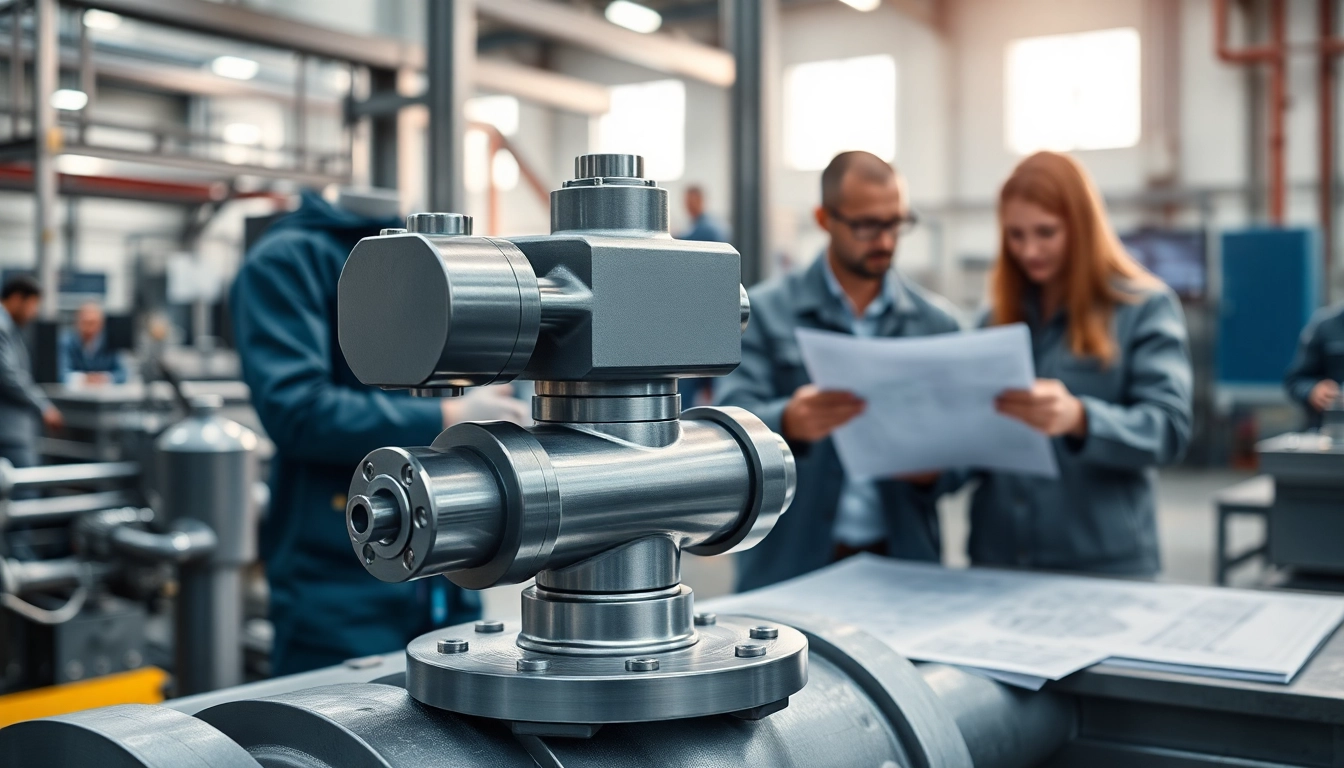
At its core, die casting involves several crucial steps: preparation of the metal, injection into the die, and the cooling and ejection of the part. The process typically uses materials such as aluminum, zinc, and magnesium due to their favorable properties. The molten metal is injected under high pressure into a specially designed mold (or die), which is crafted to create precise shapes. This method ensures a high level of detail and consistency in the resulting components.
Materials Used in Die Casting: What You Need to Know
The choice of material is critical in die casting, influencing both the finished product’s strength and its application. Common materials include:
- Aluminum: Lightweight, corrosion-resistant, and ideal for automotive and aerospace applications.
- Zinc: Known for its excellent surface finishing properties, zinc is often used in consumer products.
- Magnesium: Offers high strength-to-weight ratios, making it suitable for military and aerospace applications.
Selecting the right material is essential for achieving the desired mechanical properties and surface finishes, which play a vital role in the performance of the final product.
Benefits of Choosing Die Casting for Manufacturing
Die casting presents numerous benefits, making it a preferred choice for manufacturers:
- High precision: The process produces parts with tight tolerances and minimal finishing work required.
- Cost-effectiveness: Mass production reduces unit costs, making it economical for large-scale production runs.
- Complex designs: Capable of manufacturing intricate shapes that would be challenging to achieve with other methods.
- Surface finish: Parts come out of the mold with a smooth finish, often reducing the need for additional surface treatments.
Why Choose a Die Casting Company in Malaysia?
Malaysia has emerged as a key player in the die casting industry, offering several advantages that make it an attractive destination for manufacturers. The combination of cost efficiencies, skilled labor, and strategic location within Asia enhances its appeal significantly.
Advantages of Malaysia’s Die Casting Industry
The die casting landscape in Malaysia is vibrant, supported by government initiatives and a growing pool of skilled labor. Companies here benefit from:
- Competitive Pricing: Lower labor and material costs compared to Western markets.
- Access to Emerging Markets: Proximity to major Asian markets allows for faster distribution and reduced shipping costs.
- Government Support: Incentives for local and foreign investors to stimulate growth within the manufacturing sector.
Comparing Local vs. International Die Casting Companies
Choosing between local and international die casting companies can be daunting. Local manufacturers often offer faster turnaround times and a deeper understanding of regional market demands. In contrast, international companies may provide more advanced technologies and broader experience. Ultimately, the decision should be based on specific project requirements and the expertise of the chosen partner.
Case Studies: Successful Projects in Malaysia
Numerous successful projects underscore the capabilities of die casting companies in Malaysia. For instance, collaborations with automotive giants have resulted in high-performance components that meet global standards. These case studies not only highlight Malaysia’s expertise but also showcase the potential for innovative solutions tailored to client needs.
Innovations in Die Casting for 2025 and Beyond
The die casting industry is undergoing rapid changes, driven by technological advancements and evolving market demands. Companies must stay abreast of these innovations to remain competitive and relevant.
Emerging Technologies in Die Casting Manufacturing
Advancements in technology are reshaping die casting processes. Innovations such as:
- 3D Printing: Integration of 3D printing in mold design is enabling faster prototyping and more intricate designs.
- Smart Manufacturing: IoT and AI applications are improving process efficiencies and predictive maintenance, ensuring minimal downtime.
- Advanced Alloys: New metal formulations are enhancing strength and durability, expanding the range of applications for die cast components.
Sustainability Practices Among Die Casting Companies
Sustainability is becoming a key focus area for die casting companies as global demand for eco-friendly manufacturing rises. Practices include:
- Recycling: Utilizing recycled materials in the die casting process to reduce environmental impact.
- Energy Efficiency: Investing in energy-efficient machinery and processes to minimize energy consumption.
- Water Conservation: Implementing water recycling systems to reduce water waste during production.
The Role of Automation in Die Casting Processes
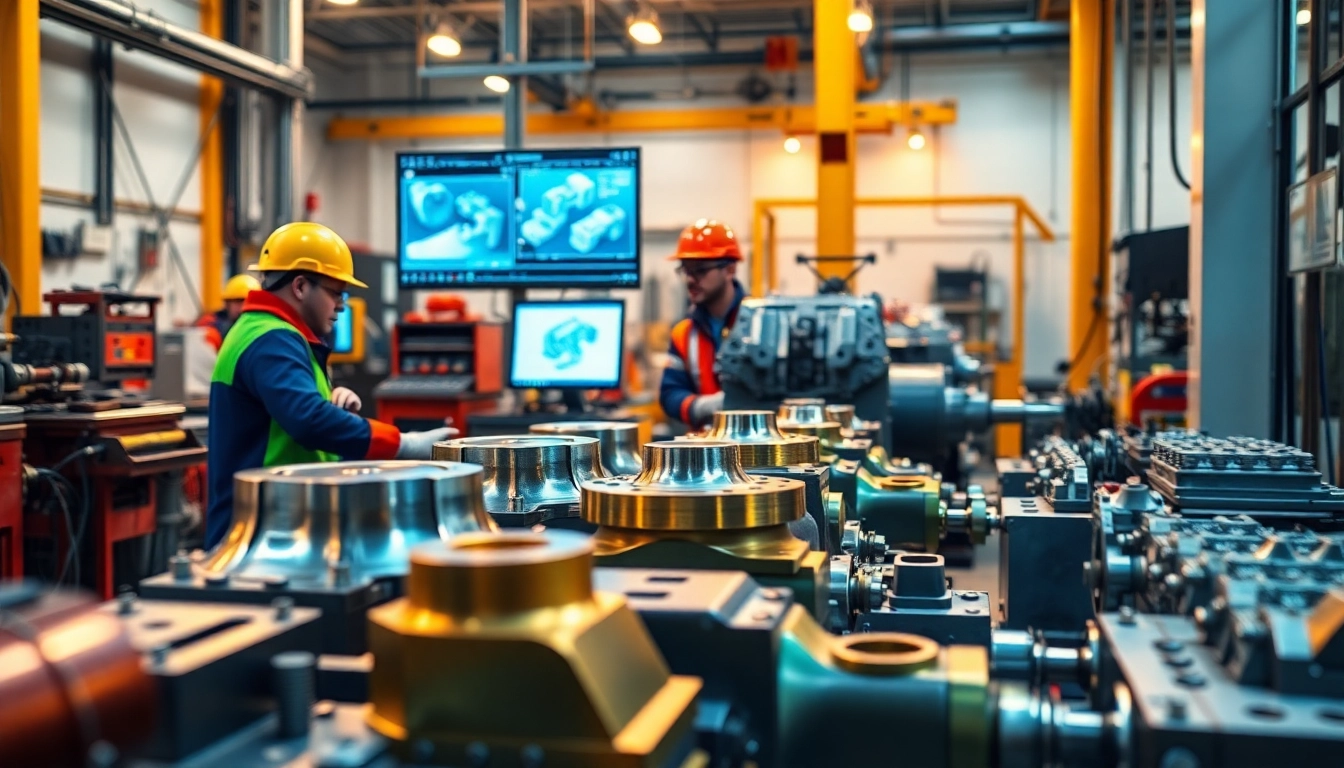
Automation is revolutionizing the die casting industry, reducing labor costs and improving output quality. Automated systems can handle repetitive tasks more efficiently, allowing skilled workers to focus on more complex operations. This shift not only enhances productivity but also helps in maintaining consistent quality throughout the production cycle.
Choosing the Right Die Casting Company: Key Considerations
Selecting the ideal die casting company requires careful consideration of various factors to ensure alignment with your project’s needs. Key areas to evaluate include:
Evaluating Capabilities and Certifications
Assessing a company’s capabilities and certifications is crucial. Look for certifications such as ISO 9001 that indicate adherence to quality management standards. Additionally, reviewing a company’s portfolio and case studies can provide insights into their expertise and the range of projects they handle.
Understanding Pricing Models and Quotes
Understanding the pricing model is essential for budgeting. Some companies may provide fixed pricing, while others might offer variable rates based on materials and complexity. Requesting detailed quotes that include all potential costs will help avoid surprises down the line.
Assessing Customer Support and Service Quality
High-quality customer support can significantly enhance your experience when working with a die casting company. Evaluate their responsiveness, willingness to address concerns, and overall communication throughout the process. Choose a partner that prioritizes customer satisfaction and demonstrates a commitment to supporting your project from start to finish.
Future Trends and Predictions for the Die Casting Industry
As the die casting industry progresses into 2025, several trends are beginning to take shape, signaling shifts in operational practices and market focus.
Market Trends Influencing Die Casting in 2025
Market demand for die casting components is expected to grow, driven by key sectors such as automotive, aerospace, and consumer electronics. This growth will encourage manufacturers to invest in technology and workforce training to meet rising expectations for quality and speed.
Potential Challenges Facing the Die Casting Sector
Despite positive trends, challenges such as fluctuating material costs and the need for skilled labor remain significant. Companies must navigate these issues while maintaining profitability and quality standards. Strategies like investing in training programs and forming partnerships with educational institutions can mitigate these challenges.
Expert Insights: Adapting to Changes in Client Demands
The ability to adapt to client demands is crucial for success in the die casting industry. Companies that actively engage with clients to understand their evolving needs will be better positioned to innovate and provide bespoke solutions. This involves not only product development but also enhancing overall service delivery.