Understanding Hidden Leak Detection
Hidden leaks in residential properties can cause significant damage if left undetected, elevating the urgency for effective leak detection solutions. They often lurk behind walls, under floors, or in hidden pipe systems. As homeowners become more aware of the potential threats of hidden leaks, understanding the intricacies of hidden leak detection is essential for ensuring safety and maintaining the integrity of their homes.
What is Hidden Leak Detection?
Hidden leak detection involves identifying leaks that are not immediately visible during standard inspections. These leaks can originate from a variety of sources, including plumbing systems, heating units, or even gas pipes. Utilizing advanced technologies, leak detection specialists can pinpoint the exact location of these leaks without causing unnecessary damage to the property.
Importance of Early Detection
Detecting leaks early is crucial in preventing extensive damage and costly repairs. Water leaks can lead to structural issues, mold growth, and increased utility bills. Moreover, gas leaks pose safety risks that can endanger the occupants of a home. Early intervention not only saves money but also mitigates the potential harm to the environment and human health.
Common Signs of Hidden Leaks
Identifying the early signs of hidden leaks can help homeowners act promptly. Common indicators include:
- Unexplained increases in water bills
- Wet spots on walls, ceilings, or floors
- Damp or musty odors
- Visible mold growth
- Water pooling in areas where it shouldn’t be
Advanced Technologies in Leak Detection
The evolution of technology has revolutionized how leak detection is performed. Various techniques allow professionals to conduct thorough inspections and accurately locate leaks. Each method offers unique advantages and is chosen based on the specific situation of the leak.
Thermal Imaging: How It Works
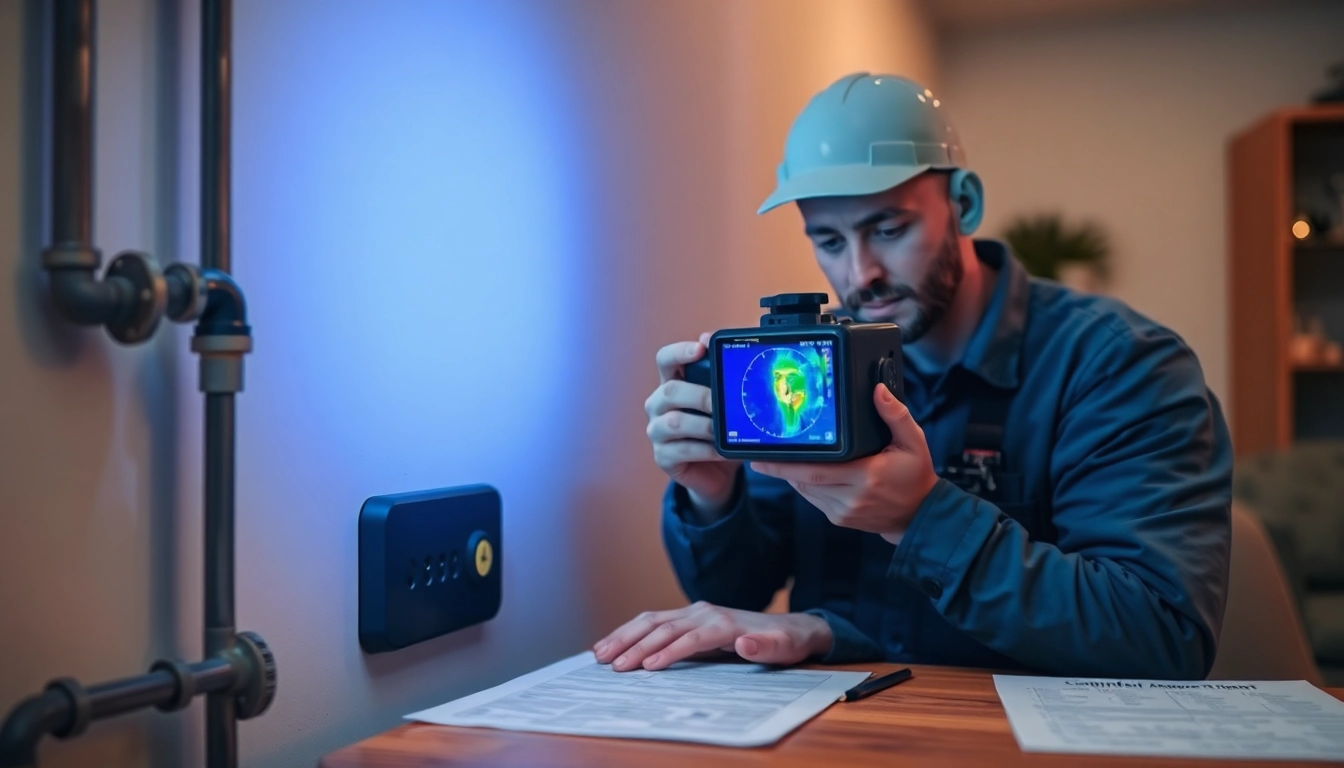
Thermal imaging cameras detect temperature variations within building materials. When a leak occurs, it can cause noticeable changes in temperature, which these cameras pick up. This technology is non-invasive and allows technicians to assess large areas quickly, identifying hot or cold spots that indicate underlying issues.
Acoustic Detection Techniques
Acoustic detection utilizes sensitive microphones to listen for the sound of water escaping from pipes. This method is particularly effective for hidden leaks, even those buried underground. Trained technicians can interpret the audio signals to ascertain the leak's location with remarkable accuracy.
Pressure Testing: An Essential Method
Pressure testing is a reliable technique for identifying leaks in plumbing systems. By isolating a section of the pipe and monitoring the pressure, professionals can determine if there is a loss indicative of a leak. This method is often used alongside other detection technologies to confirm findings.
DIY Approaches to Identify Hidden Leaks
For homeowners looking to manage leak detection independently, there are several DIY methods available. While these may not replace professional services, they can help identify potential issues before they escalate.
Simple Home Tests You Can Perform
Several simple tests can assist in identifying visible leaks. Homeowners can start by checking their water meter to see if it continues to run after all fixtures have been turned off. If the meter shows movement, it may indicate a leak somewhere in the plumbing system.
Using Water Meters for Leak Detection
Monitoring water usage through water meters can quickly reveal discrepancies in consumption. Regular checks allow homeowners to be proactive, ensuring that the water usage aligns with expectations. If a sudden spike occurs without any apparent reason, this may warrant a deeper investigation.
Common Mistakes in DIY Leak Detection
While DIY leak detection can be effective, there are common pitfalls to avoid. Homeowners may overlook subtle signs of leaks, misinterpret readings from meters, or incorrectly assess the temperature of walls. Additionally, attempting to fix leaks without professional assistance can sometimes exacerbate the problem.
When to Call a Professional Leak Detection Specialist
There are times when DIY methods may not suffice, and it becomes essential to engage a professional leak detection service. Knowing when to call an expert can save time and prevent further damage.
Signs Indicating It's Time for Professional Help
Homeowners should consider professional help when experiencing unexplained moisture or stains, persistent odors of mold, or unusual utility bills that do not correspond with actual usage. If initial DIY efforts do not yield clear results, it's wise to consult with a leak detection specialist.
What to Expect During a Professional Assessment
During a professional leak detection assessment, technicians will use advanced technology to identify the source of the leak. This typically involves a combination of thermal imaging, acoustic detection, and pressure testing. Homeowners can expect a comprehensive report detailing findings, recommendations, and repair options.
Cost Considerations and Value of Professional Services
While the cost of professional leak detection services varies, it's crucial to remember that the investment can save significant money in the long run. Early detection can prevent extensive property damage and costly repairs, underscoring the value of engaging qualified specialists.
The Future of Leak Detection in 2025 and Beyond
The landscape of leak detection is continuously evolving, driven by advancements in technology and a growing understanding of sustainable practices. As we look towards 2025 and beyond, several trends are emerging in this essential industry.
Emerging Technologies on the Horizon
Innovative solutions, such as artificial intelligence and machine learning, are set to enhance leak detection efficiency. Automated systems may soon monitor water flow in real-time, identifying irregularities that indicate leaks. Furthermore, drones equipped with thermal imaging cameras could survey large areas without the need for manual inspections.
Predictions for Home Safety Innovations
Increased awareness of safety and environmental sustainability will influence home safety innovations. Smart home systems may integrate leak detection capabilities, allowing homeowners to receive immediate notifications if a leak is detected. These systems can not only prevent damage but also contribute to water conservation efforts.
Environmental Considerations and Sustainability in Leak Detection
As society becomes more environmentally conscious, leak detection practices will increasingly focus on sustainability. Non-invasive techniques that minimize disruption while conserving resources will gain prominence. The industry may see efforts to promote the use of eco-friendly materials and reliable systems that reduce the need for unnecessary repairs.