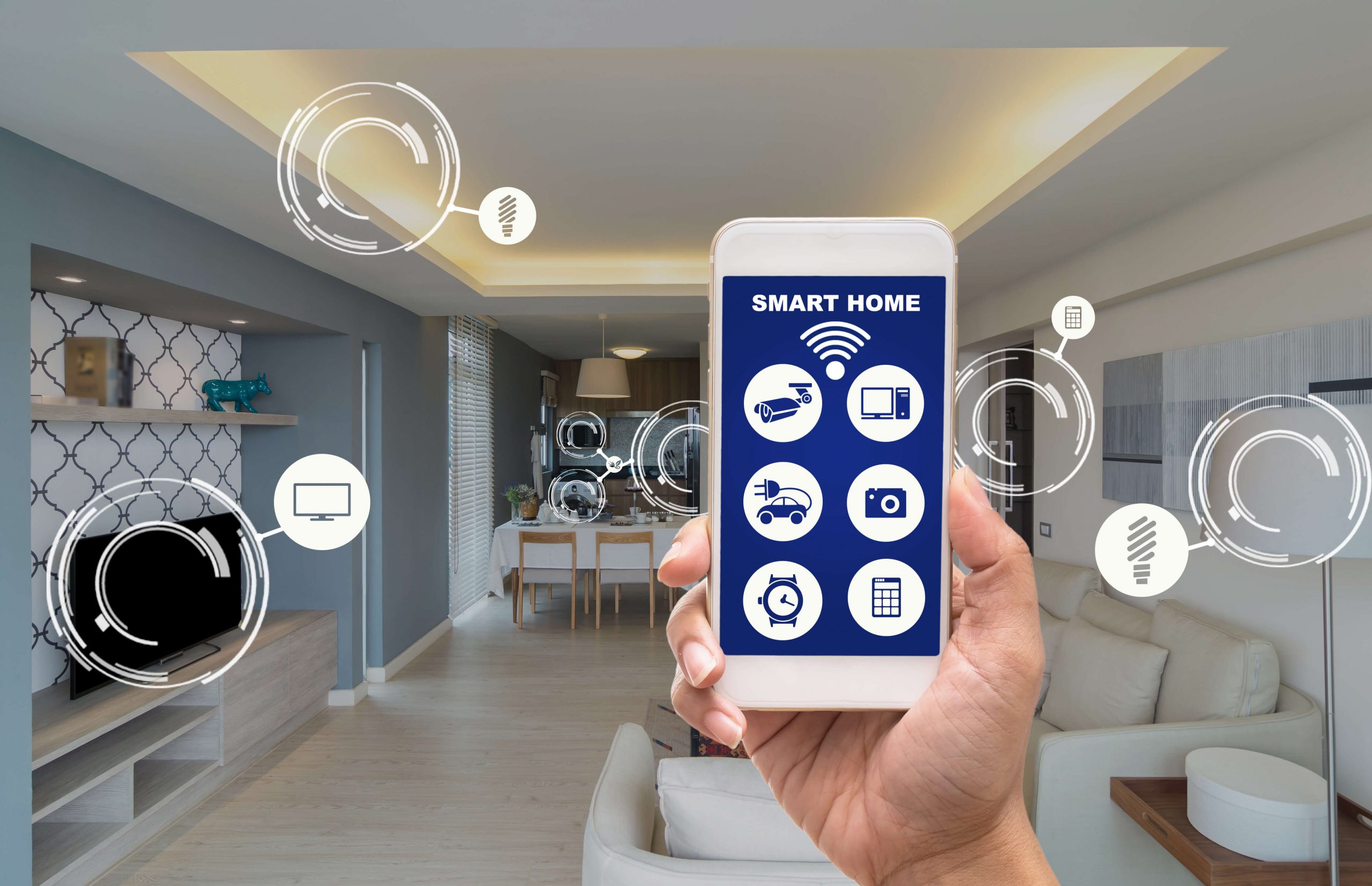
A Smart Home is no longer a futuristic concept reserved for luxury properties or tech enthusiasts. It has quickly become a practical upgrade that everyday homeowners and renters are adopting to improve convenience, security, energy efficiency, and overall quality of life. With thousands of connected products on the market, choosing the right Smart Home setup can feel overwhelming, especially for first-time buyers who want to make informed, long-term decisions.
This comprehensive guide is built to help you understand exactly what a Smart Home is, how it works, what devices matter most, and how to choose systems that align with your lifestyle and budget. At Deep Dive Picks, we focus on delivering research-backed, honest insights so you can confidently invest in technologies that genuinely improve daily living. By the end of this guide, you will have a clear roadmap for building a powerful, reliable, and future-proof Smart Home.
What Is a Smart Home and Why It Matters
A Smart Home is a living environment where devices and systems are connected through the internet, allowing them to communicate with each other and be controlled remotely through a smartphone, tablet, or voice assistant. These systems often rely on Wi-Fi, Bluetooth, or dedicated smart protocols to perform automated tasks such as adjusting lighting, regulating temperature, or monitoring security cameras.
The importance of a Smart Home lies in its ability to simplify everyday routines while improving safety and energy efficiency. Instead of manually locking doors, adjusting thermostats, or switching off lights, automation allows these processes to happen seamlessly in the background. This shift not only adds convenience but also contributes to lower energy bills and a reduced environmental footprint.
Modern consumers are also drawn to the personalization that a Smart Home offers. Devices learn habits over time, adapt to preferences, and create unique experiences tailored to each household member. This level of customization makes the technology more than just a luxury; it becomes a valuable tool for improving comfort, productivity, and peace of mind.
Key Benefits of Investing in a Smart Home
A well-designed Smart Home delivers advantages that go far beyond simple gadgetry. One of the most significant benefits is convenience. Voice control and automation reduce the need for repetitive manual tasks, allowing you to focus on more meaningful activities throughout your day. For busy families and professionals, this time-saving aspect is often the deciding factor in investing in smart technology.
Another major advantage of a Smart Home is enhanced security. Smart doorbells, locks, and cameras provide real-time alerts and remote monitoring, enabling homeowners to keep an eye on their property from anywhere in the world. This sense of control and awareness dramatically improves personal safety and reduces anxiety about leaving home unattended.
Energy efficiency is also a powerful incentive. Smart thermostats and lighting systems automatically adjust based on occupancy and natural light conditions, preventing wasted electricity. Over time, a Smart Home can significantly reduce utility costs, making the initial investment more financially attractive in the long term.
How Smart Home Technology Works
Understanding how a Smart Home functions is essential before making any purchasing decisions. At the core of most systems is a central hub or controller that acts as the brain of the operation. This hub connects various smart devices and ensures they communicate effectively, either locally or through cloud-based services.
Most Smart Home devices rely on wireless communication protocols such as Wi-Fi, Zigbee, Z-Wave, or Bluetooth. Wi-Fi devices connect directly to your home network, making them easy to set up but potentially more demanding on bandwidth. Zigbee and Z-Wave devices, on the other hand, create mesh networks that strengthen connectivity and improve reliability across larger homes.
Automation is a crucial feature of any Smart Home setup. This involves creating rules or routines that trigger actions based on specific conditions. For example, lights can automatically turn on when motion is detected, or the thermostat can lower the temperature when everyone leaves the house. These automated processes are what make a Smart Home truly intelligent and adaptable.
Types of Smart Home Devices You Should Know
A successful Smart Home is built on a foundation of interconnected devices, each serving a specific purpose. Smart lighting systems allow you to control brightness, color, and schedules through an app or voice commands. These systems not only add ambiance but also help reduce energy consumption by ensuring lights are only used when needed.
Smart thermostats are another essential component of a modern Smart Home. These devices learn your daily routines and adjust heating and cooling settings automatically to maintain comfort while minimizing energy waste. Over time, this intelligent climate control can significantly lower utility expenses.
Security devices play a critical role in any Smart Home ecosystem. Smart locks, video doorbells, and surveillance cameras provide real-time notifications and remote access. This level of visibility ensures you always know what is happening around your property, whether you are at work, traveling, or simply in another room.
Choosing the Right Smart Home Ecosystem
Selecting the right ecosystem is one of the most important decisions when building a Smart Home. An ecosystem refers to the platform that connects and controls your devices, such as those powered by voice assistants or dedicated hubs. Each ecosystem has its own compatibility standards, user interface, and automation capabilities.
When choosing a Smart Home ecosystem, compatibility should be a top priority. Not all devices work seamlessly across platforms, and mixing incompatible products can lead to frustration and wasted money. A unified ecosystem ensures smoother communication between devices and a more reliable overall experience.
Scalability is another critical factor. A good Smart Home ecosystem allows you to start small and gradually expand your system over time. This flexibility is ideal for beginners who want to experiment with a few devices before committing to a full-home automation setup. Long-term support and regular software updates are also essential to keep your system secure and functional.
Smart Home Installation: DIY vs Professional Setup
Installing a Smart Home can be a straightforward process or a complex project, depending on the scale of your system. Many entry-level devices are designed for DIY installation, allowing users to connect them to their network using simple step-by-step app instructions. This approach is cost-effective and gives homeowners a deeper understanding of how their devices work.
However, larger Smart Home projects often benefit from professional installation. Professional installers can ensure that wiring, network configuration, and device placement are optimized for performance and reliability. This is particularly important for integrated security systems and whole-home automation setups that require precise calibration.
The choice between DIY and professional installation should be based on your technical comfort level, budget, and long-term goals. While a DIY Smart Home setup works well for basic devices, professional support can prevent costly mistakes and ensure that your system operates smoothly from day one.
Security and Privacy Considerations for Smart Home Buyers
Security is one of the most critical aspects of owning a Smart Home. Because these systems rely on internet connectivity, they can be vulnerable to cyber threats if not properly secured. Strong passwords, two-factor authentication, and regular software updates are essential practices to protect your devices and personal data.
Privacy is another major concern for Smart Home users. Many devices collect data to improve performance and personalization. While this can enhance user experience, it also raises questions about how that data is stored and used. Understanding the privacy policies of device manufacturers helps you make informed decisions and maintain control over your personal information.
Creating a secure home network is a foundational step in protecting your Smart Home. Using a high-quality router, enabling network encryption, and separating smart devices onto a dedicated network are effective strategies to reduce the risk of unauthorized access. These precautions ensure that the benefits of automation do not come at the cost of your privacy or safety.
Budgeting for a Smart Home: What to Expect
Cost is a major factor for anyone considering a Smart Home upgrade. Prices vary widely depending on the type of devices, the brand, and the level of automation you desire. Entry-level systems can be relatively affordable, while fully integrated homes with advanced security and energy management features can represent a significant investment.
When budgeting for a Smart Home, it is important to consider both upfront and ongoing costs. Upfront expenses include the purchase of devices and potential installation fees. Ongoing costs may include subscription services for cloud storage, advanced security features, or professional monitoring.
A smart budgeting strategy focuses on prioritizing value rather than chasing the most expensive products. Investing in reliable, high-quality components for your Smart Home often results in better performance, fewer replacements, and greater long-term satisfaction.
Smart Home Compatibility and Interoperability
One of the biggest challenges in building a Smart Home is ensuring that all devices work together seamlessly. Compatibility issues can arise when products use different communication standards or are restricted to specific ecosystems. Researching device compatibility before purchasing is essential to avoid frustration and wasted money.
Interoperability refers to how well devices from different manufacturers can interact within a single Smart Home system. The industry is gradually moving toward unified standards that improve cross-device communication, but not all products fully support these advances yet. Choosing devices that adhere to widely recognized standards increases the likelihood of a smooth, cohesive experience.
Future-proofing your Smart Home means thinking ahead and choosing products that are likely to remain compatible with upcoming technologies. This approach protects your investment and ensures that you can continue expanding your system without needing to replace your existing devices.
Smart Home Automation for Daily Living
Automation is the feature that truly brings a Smart Home to life. Instead of manually controlling devices, you can create routines that trigger multiple actions with a single command or based on specific conditions. For example, a morning routine might gradually turn on lights, adjust the thermostat, and start a coffee maker.
These automated experiences contribute to a more comfortable and efficient lifestyle. A Smart Home can adapt to your schedule, lighting preferences, and temperature needs without constant input. This level of responsiveness transforms your living space into an environment that actively supports your daily habits and well-being.
Advanced automation also improves safety. Motion sensors can trigger lights to deter intruders, while smart locks can automatically secure doors at a set time every night. These intelligent behaviors make a Smart Home feel less like a collection of gadgets and more like a cohesive, intelligent system.
Energy Efficiency and Sustainability in a Smart Home
Energy management is one of the most powerful advantages of a Smart Home. Smart thermostats, plugs, and lighting systems work together to reduce unnecessary energy use by responding to real-time conditions. Lights can automatically dim when natural daylight is sufficient, and heating systems can reduce output when rooms are unoccupied.
These efficiencies contribute directly to lower utility bills and a reduced environmental footprint. Over time, a Smart Home can significantly decrease household energy consumption, making it an attractive option for environmentally conscious consumers. This sustainability aspect is becoming increasingly important as global awareness of climate change continues to grow.
Smart energy monitoring devices provide detailed insights into consumption patterns. By analyzing this data, homeowners can make informed decisions about how to optimize their Smart Home for both cost savings and environmental responsibility.
Common Mistakes to Avoid When Buying Smart Home Products
Many first-time buyers make the mistake of purchasing devices without a clear plan for their Smart Home. This often leads to compatibility issues, redundant features, and systems that do not work well together. Creating a clear strategy before shopping ensures that every purchase contributes to a cohesive and functional setup.
Another common error is overlooking network requirements. A Smart Home relies heavily on a stable internet connection and a strong Wi-Fi signal. Underestimating the importance of a reliable network can result in lag, disconnections, and poor overall performance.
Impulse buying is also a frequent mistake. With so many attractive products on the market, it is easy to overspend on features that are rarely used. Focusing on practical needs and long-term value helps ensure that your Smart Home investment delivers real, measurable benefits.
The Future of Smart Home Technology
The future of the Smart Home industry is rapidly evolving with advancements in artificial intelligence, machine learning, and sensor technology. Future systems will be even more intuitive, capable of predicting needs before users actively make requests. This predictive automation will further enhance convenience and efficiency.
Integration with wearable technology and smart appliances is also expected to deepen. Imagine a Smart Home that adjusts lighting and temperature based on your biometric data or syncs with your daily health goals. These innovations are not far from becoming mainstream realities.
As technology advances, the focus will increasingly shift toward sustainability, security, and user-centric design. The Smart Home of the future will not only be more powerful but also more responsible in how it uses resources and protects personal data.
How Deep Dive Picks Helps You Choose the Right Smart Home Products
Deep Dive Picks was created to simplify complex buying decisions by delivering honest, research-backed insights. When it comes to selecting Smart Home products, our approach focuses on real-world performance, long-term reliability, and true value for money. We analyze features, compare technologies, and highlight practical benefits so you can make informed decisions with confidence.
Our mission is to help you avoid marketing hype and focus on what actually matters. A well-planned Smart Home should improve your lifestyle, not complicate it. By relying on expert analysis and transparent recommendations, Deep Dive Picks supports you in building a system that truly serves your needs.
We also prioritize clarity and accessibility in our content. Whether you are a beginner or a tech-savvy homeowner, our goal is to make the Smart Home buying process easy to understand and enjoyable to explore.
Conclusion
Investing in a Smart Home is one of the most impactful ways to upgrade your living space, enhance security, and reduce energy consumption. With the right knowledge and planning, you can avoid common pitfalls and create a system that is reliable, scalable, and perfectly aligned with your lifestyle. A carefully designed Smart Home delivers long-term value by combining convenience, safety, and efficiency into a seamless everyday experience.
By understanding how these systems work, prioritizing compatibility, and focusing on high-quality components, you position yourself for success in an increasingly connected world. At Deep Dive Picks, our goal is to empower you with the knowledge and confidence needed to make smarter decisions. A thoughtfully built Smart Home is not just a collection of gadgets; it is an investment in comfort, peace of mind, and a more intelligent way of living. You’ll find more useful information on our main page.
Frequently Asked Questions (FAQs)
What is the best way to start building a Smart Home?
The best way to begin a Smart Home is by starting with a single category such as lighting or security. This allows you to learn how automation works, understand compatibility requirements, and gradually expand your system without unnecessary complexity or cost.
Are Smart Home devices safe to use?
A Smart Home can be very safe when proper security practices are followed. Using strong passwords, enabling two-factor authentication, and keeping firmware updated significantly reduces the risk of unauthorized access or data breaches.
Do Smart Home systems work without internet?
Most Smart Home devices rely on internet connectivity for remote access and cloud-based features, but some local automations can still function without a connection. Advanced functionality and real-time alerts usually require a stable internet connection.
How much does it cost to set up a Smart Home?
The cost of a Smart Home varies widely based on the number of devices and level of automation. Basic setups can be affordable, while fully integrated systems with security, energy management, and professional installation can represent a larger investment.
Can a Smart Home increase property value?
A well-designed Smart Home can increase property value by making a home more energy-efficient, secure, and attractive to modern buyers. Buyers often view smart features as premium upgrades that enhance both comfort and long-term usability.